How Long Does Sealcoating Last on a Parking Lot in Huntsville, AL?
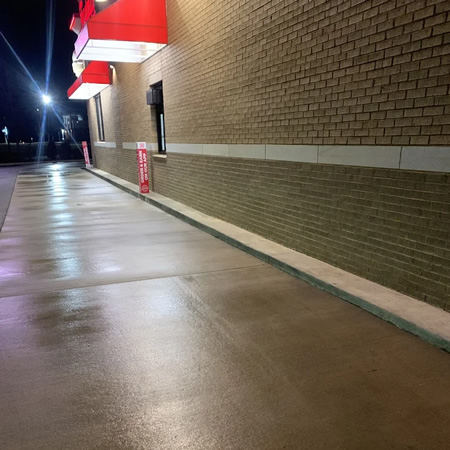
If you manage a shopping center, church, or office complex, you have likely asked, “how long does sealcoating last?” In North Alabama, a well-prepped, professionally applied sealcoating job on a commercial parking lot typically lasts on a 2 to 3 year cycle. The exact lifespan depends on Huntsville’s heat and UV levels, your traffic patterns, and how the pavement is cared for between applications.
Below, you will find a simple, local guide to help you plan your maintenance schedule, reduce downtime, and protect your asphalt so you can delay major repairs and keep a great first impression for customers and tenants.
What Affects Sealcoating Lifespan in North Alabama
Huntsville sees hot summers, bright sun, and quick afternoon storms. UV light and heat are tough on asphalt binders. Over time, they dry the surface and fade the rich black finish that protects against water and chemicals. High UV also speeds up wear from turning tires in busy stalls near storefronts.
Traffic volume matters. Retail hubs near Downtown Huntsville, Research Park, and along Memorial Parkway experience frequent turn-and-park movement that scrubs the surface. Delivery lanes, dumpster pads, and areas where buses or box trucks turn tight circles also age faster.
Surface prep and product quality play a major role. A clean, dry surface, tight crack sealing before application, and uniform coverage help the coating cure as designed. Poor drainage or standing water shortens life by letting moisture seep through microgaps, which weakens the bond.
The Typical 2–3 Year Cycle For Parking Lots
For most commercial lots in Huntsville and nearby neighborhoods like Five Points, Jones Valley, and Hampton Cove, a 2 to 3 year sealcoating cycle balances appearance and protection. Busy sites or heavy truck traffic may benefit from a shorter interval on high-wear lanes. Quieter office parks with shaded areas may extend a little longer, but stretching too far invites oxidation and small cracks to spread.
Think of sealcoating as sunscreen for your asphalt. You would not skip sunscreen for three summers in a row and expect no sun damage. The same goes for your lot. A predictable cycle keeps the surface sealed so water, oil, and UV do not break it down. It also preserves a deep black color that makes fresh stripes pop and helps guide vehicles safely.
Plan on a 2 to 3 year schedule, adjusted by traffic and exposure. This rhythm helps you budget work in phases, keep entrances open, and reduce customer disruption.
Clear Signs Your Lot Needs A Fresh Sealcoat
Even with a plan, your pavement will tell you when it is ready. Watch for these signs during routine walks:
- Gray, faded color that does not return after rain dries
- Hairline cracks that start to connect in traffic lanes
- Loose sand or small raveling at the surface
- Oil and coolant spots that leave dull, soft patches
- Puddles that linger longer than they used to
- Faded or scuffed striping soon after restriping
Do not wait until cracks widen or the base starts moving. Sealcoating is a protective layer. It cannot fix structural failures, but it can stop small issues from getting big and expensive.
How Huntsville Weather Changes Your Schedule
Timing matters because sealcoat needs the right conditions to cure. In late spring and fall, daytime highs and overnight lows are friendlier to the chemistry. Summer is workable, but long stretches above the mid 90s increase scuffing risk in tight turning areas, especially while the coating is young.
Humidity and pop-up storms are a factor. Sealcoating should go down on a dry surface with no rain in the forecast during early cure. Morning dew can delay starts. Afternoon showers can push work to night or the next day, so allow some flex in your schedule.
Winter is not ideal when daytime temperatures struggle to reach the minimum recommended range. Cool, wet days slow cure and can leave a duller finish. Most property managers target spring or fall, then reserve summer for restriping touch-ups or small repairs.
Maintenance Habits That Extend Sealcoating Life
Your daily and monthly care routine plays a big role in how long your sealcoat lasts. Add these habits to your property plan:
- Routine sweeping to remove sand and grit that acts like sandpaper
- Prompt stain treatment for oil and coolant drips in front-row stalls
- Crack sealing before water widens and connects fine lines
- Checking downspouts and edges so water drains off the pavement
- Directing heavy trucks to reinforced lanes and away from weak subgrade
Regular cleaning keeps the finish healthy. When build-up gets stubborn, schedule professional pressure washing before the next sealcoat. Oil that sits for months can shorten lifespan, so fast cleanup pays off.
If your site needs broader upkeep, explore bundled pavement maintenance planning. Coordinating cleaning, crack sealing, sealcoating, and restriping in the same cycle reduces downtime and protects the work you just invested in.
Sealcoat Vs. Overlay Vs. Replacement
It helps to know what sealcoating can and cannot do. Sealcoat is a thin, protective wear layer that shields the asphalt binder from sun, water, salts, and chemicals. It refreshes appearance and slows oxidation. It does not add structural thickness.
Overlays add new asphalt on top to restore profile and ride quality. They are useful when ruts, larger cracks, or light alligator cracking appear but the base is still strong. Full replacement is for cases with base failure, drainage problems, or severe alligator cracking where movement continues after patching.
Many owners choose regular sealcoating because it extends the window before a costly overlay or replacement is needed. Instead of reacting to damage, you are buying time by staying on a measured 2 to 3 year plan that fits your property’s traffic and exposure.
After Sealcoating: Striping, Access, And Downtime
Once the coating cures, bright striping helps customers move safely and maximizes stall count. As a Parking Lot Striping & Pressure Washing provider, AceCo Pavement Maintenance coordinates layout, ADA stalls, and traffic arrows after the surface is ready. Fresh paint bonds better to a clean, cured surface.
Plan phasing with tenants to keep at least one entrance open. Night or weekend work can help, especially near busy retail corridors. Cure times vary by temperature, sun, and airflow. Early foot and car traffic should be controlled so the new finish is not scuffed in tight turns or at stop points.
If you must reopen early, protect high-turn areas with cones and attendants. Direct vehicles to straighter routes for the first day or two, then resume normal flow once the surface hardens.
How Long Does Sealcoating Last In Huntsville, AL? A Practical Timeline
Here is a simple way to look at the sealcoating lifespan for our region:
Year 0: Clean, sealcoat, and stripe the entire lot or phase by sections. Monitor high-wear spots near storefronts, dumpster enclosures, and delivery docks. Keep oil stains in check and address cracks early.
Year 1: Expect the finish to mellow from deep black to dark charcoal. That is normal as the coating cures and traffic buffs the surface. Keep sweeping and stain control on schedule. If you see raveling or growing cracks, plan a spot repair and recoat for that area.
Year 2: Inspect closely each quarter. If the lot still holds a rich color and stays tight at the surface, you can likely plan the next sealcoat in the coming months. High-wear lanes may be due sooner than the full lot.
Year 3: Most properties in North Alabama will be ready for another full sealcoat to reset protection and looks. Skipping this step often leads to faster crack growth, faded stripes, and a rougher feel underfoot where grit loosens.
Local Factors Property Managers Should Consider
Every site in Huntsville is a little different. Lots bordered by reflective glass or bright concrete can run hotter. Shaded areas near tree lines may hold dew longer in the morning. Medical offices with frequent patient drop-offs see tight turning near the front door, which wears faster than back rows. Industrial sites around the airport or in West Huntsville may have heavier truck traffic. Build these realities into your cycle.
If you manage locations in Madison or Meridianville as well as inside the city, try to align work across sites so restriping and signage updates happen together. That reduces tenant notices and keeps branding consistent from lot to lot.
Why Businesses Choose AceCo Pavement Maintenance For Parking Lot Sealcoating In Huntsville, AL
Property teams choose AceCo Pavement Maintenance because we understand North Alabama’s heat, UV, and humidity. We handle prep, crack sealing, coordinated striping, and clear tenant communication so your site looks sharp and stays safe. We also offer flexible scheduling to work around peak hours.
Want more background on the topic? For a quick primer that many owners share with their boards, see how long does sealcoating last in Huntsville, AL right on our home base, then talk with our team about a plan that fits your traffic and exposure.
When you are ready to map out a 2 to 3 year cycle, start the conversation with the AceCo Pavement Maintenance team at 256-910-7669. If your lot is showing gray color, fine cracks, or oil spots today, explore our detailed sealcoating service page for process and scheduling, then let us build a phased plan that keeps customers moving.
Next Steps: Protect Your Lot Before Small Issues Grow
Sealcoating on a steady rhythm is simple insurance for your asphalt. It helps you avoid the spiral from light oxidation to raveling, to wide cracks, to overlays and downtime. Pair sealcoating with regular cleaning, targeted crack sealing, and fresh striping to stretch the life of your pavement.
Call 256-910-7669 to talk with a local specialist at AceCo Pavement Maintenance. We will review your photos or meet on site, point out high-wear zones, and prioritize phases that fit your calendar. When you are ready, our team can schedule parking lot sealcoating during a weather window that speeds reopening and keeps your customers safe.